

Imagine walking into your home and having the lights turn on, the thermostat adjust, and your favorite playlist start playing—all without lifting a finger. Sounds like magic, right? Well, with smart home system installation, it’s not just a dream; it’s a reality that can transform everyday living into something extraordinary.
Overview of Smart Home Systems
Smart home systems integrate various devices to enhance convenience, security, and energy efficiency. These systems allow users to control everything remotely, from lights to security cameras. Popular examples include smart lighting, climate control, and automated locks, all designed to work together seamlessly.
Automation of daily tasks significantly improves the quality of life. Individuals can schedule routines, such as turning on lights at sunset or adjusting the thermostat before arriving home. This flexibility leads to energy savings and increased comfort throughout the day.
Integration of voice assistants like Amazon Alexa or Google Assistant facilitates hands-free control. By using simple voice commands, users can manage all connected devices effortlessly. Compatibility with third-party devices broadens choices, allowing users to customize their systems to meet specific needs.
Security features in smart home systems give users peace of mind. Surveillance cameras and doorbell cameras provide real-time monitoring, while smart locks enhance home security by allowing remote access control. Notifications alert homeowners of any suspicious activity, ensuring enhanced safety.
Incorporating energy-efficient devices reduces utility bills and environmental impact. Smart thermostats, for example, optimize energy consumption by learning user preferences and adjusting settings automatically. Energy monitoring tools provide insights into usage, helping users make informed decisions.
Overall, smart home systems represent a significant innovation in residential living. They offer practicality, efficiency, and enhanced security, creating a modern home environment tailored to individual preferences. As technology advances, the adaptability and functionality of these systems will continue to evolve, meeting emerging needs and enhancing everyday life.
Benefits of Smart Home System Installation
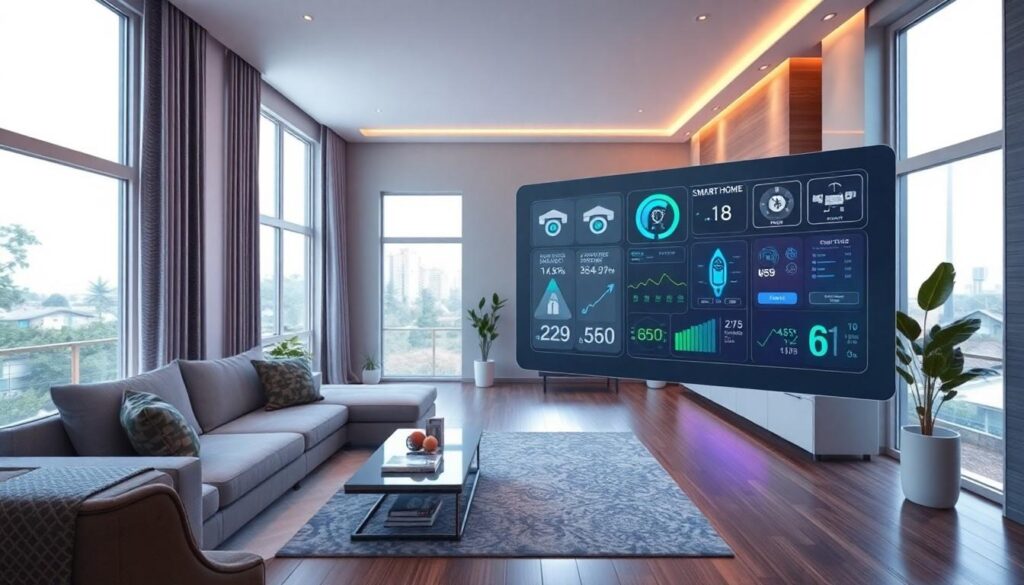
Smart home system installation offers several advantages, enhancing convenience, security, and efficiency in daily living. These systems provide homeowners with seamless control over their environment.
Enhanced Security Features
Smart home systems significantly enhance security measures within a residence. Security cameras provide real-time monitoring of the property, allowing homeowners to view live feeds from anywhere. Smart locks enable remote access control, making it easy to secure doors even when away. Alarm systems can automatically alert homeowners and authorities during a breach, increasing safety. Motion detectors trigger alerts if unusual activity occurs, giving peace of mind. Remote access to surveillance footage allows users to check on their homes anytime. Comprehensive security integration creates a robust defense against potential intruders.
Energy Efficiency
Smart home systems contribute to energy efficiency by optimizing resource usage. Smart thermostats automatically adjust temperatures based on occupancy patterns, reducing energy wastage. Energy-efficient lighting systems can be programmed to turn off when rooms are unoccupied, further saving on electricity. Users can monitor energy consumption in real-time, making informed decisions about usage. Appliances can be scheduled to run during off-peak hours, lowering utility bills. Overall, these technologies not only reduce environmental impact but also lead to noticeable cost savings. Integrating energy-efficient devices transforms households into greener living spaces.
Planning Your Smart Home System Installation
Planning a smart home system installation begins with understanding specific needs and preferences. Identifying the primary goals helps streamline the process. Does someone want enhanced security, increased energy efficiency, or automated convenience? Prioritizing these aspects influences device selection and configuration.
Assessing Your Needs
Assessing needs starts with evaluating daily routines and identifying potential improvements. Homeowners can determine areas where automation could save time, like scheduling lighting or adjusting HVAC settings. Considering family members’ preferences ensures the system accommodates everyone. Establishing a budget offers clarity on what is feasible. Numerous existing systems cater to different needs and financial parameters, guiding choices in the selection process.
Choosing the Right Devices
Choosing the right devices is essential for optimal functionality. Compatibility between devices should be a priority, as some systems work better together than others. Evaluating features, such as energy tracking and remote access, empowers users to make informed decisions. Researching brands and reading reviews can provide insights into reliability and customer satisfaction. Incorporating user-friendly interfaces ensures smooth operation for all family members, enhancing the overall smart home experience.
Installation Process
The installation process of a smart home system involves careful planning and execution. Choosing the right approach significantly influences the outcome.
DIY vs. Professional Installation
Deciding between DIY and professional installation holds importance for new users. DIY installations offer flexibility and cost savings, allowing homeowners to work at their pace. Familiarity with devices can boost confidence in managing the setup independently. Professional installations ensure expertise and minimize the risk of errors, especially for complex systems. Contractors understand integration and provide advice on the best practices. Weighing the pros and cons helps determine which option fits individual needs and technical comfort levels.
Step-by-Step Installation Guide
Following a step-by-step installation guide simplifies the process. First, gather all necessary tools and devices to streamline setup. Next, secure a primary hub that connects various components, ensuring compatibility among devices. Position sensors and cameras strategically to maximize coverage and functionality. Connecting smart devices to a Wi-Fi network follows, enabling remote access and control. Configuring settings through corresponding mobile applications allows users to customize preferences. Testing devices after installation confirms smooth operation and identifies potential issues. Completing these steps enhances the overall experience and effectiveness of the smart home system.
Common Challenges and Solutions
Smart home system installation can present various challenges that users need to address to ensure a smooth experience. Compatibility issues often arise when devices from different manufacturers do not communicate effectively. To resolve this, homeowners should focus on purchasing products that follow the same communication protocols, ensuring seamless integration.
Wi-Fi connectivity problems frequently hinder the performance of smart devices. Users may experience dropped connections or slow response times. Strengthening the home network through the use of Wi-Fi extenders or mesh systems can greatly enhance device performance.
Installation complexity may also pose a challenge, particularly for those who opt for the DIY route. Many find step-by-step guides insufficient for their unique setups. Engaging professional installation services guarantees proper setup and reduces the risk of devices malfunctioning due to incorrect configurations.
Security vulnerabilities are a growing concern as homeowners embrace smart technology. Hackers may target connected devices to exploit weaknesses. To mitigate risks, users should regularly update device firmware, utilize strong passwords, and consider enabling two-factor authentication when available.
Another common challenge involves effective device management. Homeowners may feel overwhelmed by numerous devices and applications. Grouping devices into categories within the management app or using voice commands can simplify control, promoting ease of use across the smart home ecosystem.
Energy consumption can paradoxically increase with the addition of smart devices. Monitoring energy usage with compatible monitoring apps allows users to identify and adjust settings for optimized performance. By scheduling devices to operate during off-peak hours, users can maintain energy efficiency while benefiting from smart technology.
Embracing smart home system installation can significantly elevate the quality of life for homeowners. With the ability to automate daily tasks enhance security and improve energy efficiency these systems offer a modern solution to age-old challenges.
As technology continues to advance the possibilities within smart homes will only expand. Homeowners who invest in these systems not only enjoy immediate benefits but also position themselves for future innovations.
Ultimately a well-planned smart home system can lead to a more convenient secure and eco-friendly living environment making it a worthwhile consideration for anyone looking to upgrade their home.