

Imagine a world where your coffee brews itself just as you wake up, and your lights know when to dim for movie night. Enter the smart home gateway, the unsung hero of modern living. This nifty device acts as the brain of your smart home, connecting all your gadgets and ensuring they communicate seamlessly.
With a smart home gateway, you can control everything from your thermostat to your security cameras with just a tap on your smartphone. It’s like having a personal assistant who never takes a day off and doesn’t mind if you talk to it in your pajamas. Embracing this technology not only simplifies daily tasks but also adds a sprinkle of magic to your home. So, let’s dive into the world of smart home gateways and discover how they can transform your living space into a high-tech haven.
Overview of Smart Home Gateways
Smart home gateways act as the central hub for managing various smart devices within a home environment. They facilitate seamless communication between devices, ensuring interoperability across different ecosystems. Users can control thermostats, lights, locks, and security systems from a single interface, typically accessed through a smartphone or computer.
Compatibility with multiple protocols is a key feature of smart home gateways. They often support Wi-Fi, Zigbee, Z-Wave, and Bluetooth, allowing diverse devices from different manufacturers to connect effortlessly. Smart home gateways can handle complex tasks, such as creating automated routines based on user preferences or schedules.
Many models offer enhanced security features, including encryption protocols and secure access controls. This capability protects connected devices from unauthorized access, safeguarding users’ privacy. Gateway manufacturers frequently update their software to address vulnerabilities and introduce new functionalities.
Certain smart home gateways integrate with popular voice assistants, enabling hands-free control. This functionality enhances convenience, allowing users to execute commands simply by speaking. Smart home ecosystems become more efficient as users can customize and optimize the performance of their devices according to their specific needs.
Implementation of smart home gateways can lead to energy savings through efficient monitoring and management of utilities. Homeowners often monitor energy consumption patterns and adjust devices accordingly, leading to reduced bills and improved sustainability. As technology evolves, smart home gateways continue to advance, incorporating artificial intelligence and machine learning to provide even smarter solutions for everyday living.
Key Features of Smart Home Gateways
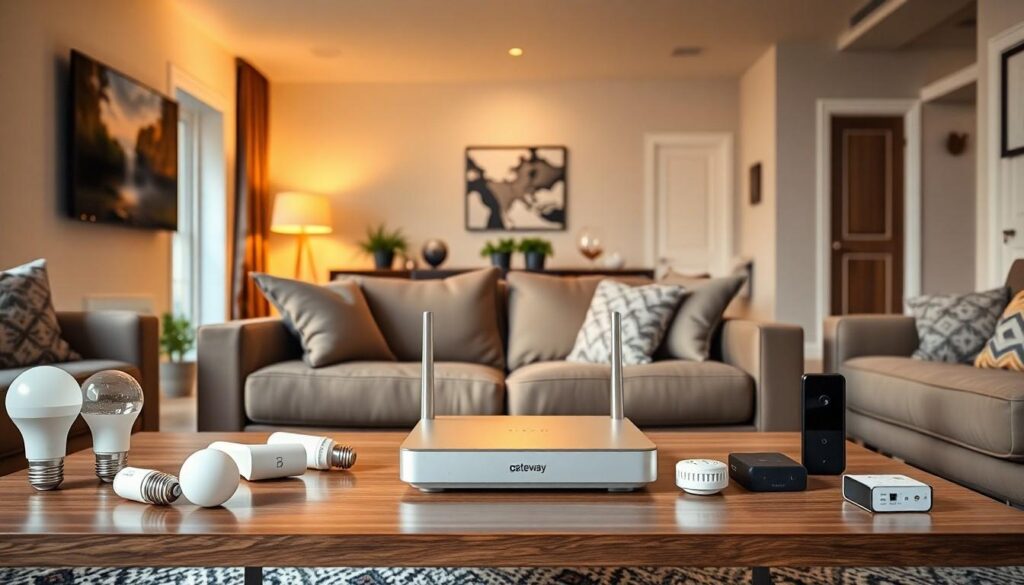
Smart home gateways boast several essential features that enhance user experience and device management. The following sections delve into interoperability and security protocols, two vital aspects that define the functionality of these hubs.
Interoperability
Interoperability stands out as a key strength of smart home gateways. These devices connect seamlessly with various protocols like Wi-Fi, Zigbee, Z-Wave, and Bluetooth. Users can integrate diverse devices from multiple manufacturers without compatibility issues. This feature simplifies management, allowing control of lights, thermostats, and locks through a single interface. Many gateways support open standards, which further broadens device compatibility. Consequently, users experience a highly cohesive smart home ecosystem, where devices work together fluidly to enhance convenience and efficiency.
Security Protocols
Security protocols are critical in maintaining a safe smart home environment. Smart home gateways incorporate robust encryption methods to safeguard data and prevent unauthorized access. Many utilize secure access controls, ensuring only authorized users can interact with connected devices. Regular firmware updates enhance security, addressing potential vulnerabilities promptly. Using advanced authentication methods, such as two-factor authentication, adds an extra layer of protection. These measures protect users’ privacy and secure devices against emerging threats. As smart home technology advances, evolving security protocols keep pace, maintaining confidence in smart home systems.
Benefits of Using a Smart Home Gateway
Smart home gateways offer multiple benefits that simplify and enhance everyday living experiences. From increased control over devices to improved energy management, these systems play a crucial role in modern households.
Enhanced Control
Control becomes straightforward through a smart home gateway. Users can manage various smart devices from one central interface. This includes lighting, temperature settings, and security systems. Simplifying interactions allows individuals to automate routines based on their preferences. Incorporating voice commands further enhances convenience, enabling hands-free operation. Due to compatibility with numerous protocols, devices from different manufacturers can collaborate seamlessly. This integration facilitates comprehensive monitoring and control without any technical barriers.
Energy Management
Energy management improves significantly with a smart home gateway. Tracking energy consumption allows homeowners to identify patterns and optimize usage. For instance, individuals can set schedules for heating, cooling, and lighting based on their daily routines. By using automated adjustments, users can minimize energy waste and reduce utility bills. In addition, smart gateways provide insights on energy usage, helping users make informed decisions. Investing in energy-efficient devices often complements the capabilities of a smart home gateway, promoting sustainability and eco-friendliness. These systems empower households to achieve both comfort and efficiency while supporting environmental responsibility.
Popular Smart Home Gateways on the Market
Numerous smart home gateways offer functionality and versatility for homeowners. The Amazon Echo Plus integrates Alexa voice control and supports Zigbee devices, making it a user-friendly choice. Samsung SmartThings Hub centralizes control for a wide range of devices across multiple ecosystems, including Z-Wave and Zigbee compatibility.
Google Nest Hub combines smart display features with assistant capabilities, enabling voice commands and visual feedback for easier operation. Homey stands out with its ability to connect devices from diverse brands, fostering an inclusive smart home environment. Each option caters to various preferences and technical requirements.
Considering security, the Philips Hue Bridge provides an effective solution for smart lighting and consistently receives firmware updates, ensuring robust protection. Wink Hub 2 supports more than 400 devices and emphasizes user-friendly design, allowing effortless integration. Meanwhile, Hubitat Elevation appeals to tech-savvy users with advanced automation options and local processing for enhanced security and control.
For those prioritizing efficiency, the Aqara Hub focuses on energy management, enabling users to monitor energy consumption and optimize usage effectively. TP-Link Kasa Smart Wi-Fi Hub offers an affordable solution for managing smart plugs and bulbs directly from smartphones, providing convenience without compromising on features.
Reviewing options is essential for selecting a gateway that fits personal needs. Various smart home gateways promise enhanced control, security, and energy management, paving the way for a seamless smart living experience. Users benefit from carefully evaluating each solution to determine the best match for their smart home ecosystems.
Choosing the Right Smart Home Gateway
Selecting the ideal smart home gateway involves several considerations to enhance connectivity and functionality. Assessing compatibility with existing devices is crucial. Smart home gateways support various protocols such as Wi-Fi, Zigbee, Z-Wave, and Bluetooth. Understanding these options helps ensure seamless integration with devices from different manufacturers.
Evaluating user interface ease of use matters when choosing a gateway. A user-friendly smartphone or computer application simplifies device management and routine automation. Consideration should also include voice command compatibility. Many gateways consolidate voice control for added convenience and enhanced accessibility.
Security features stand out as a priority. Robust encryption methods and secure access controls protect user data from unauthorized entry. Regular firmware updates and two-factor authentication reinforce security and address vulnerabilities. Ensuring the chosen gateway supports up-to-date security measures strengthens household safety.
Energy management capabilities play a significant role in decision-making. Smart home gateways that monitor energy consumption lead to more efficient resource usage and reduced utility costs. Look for features that automate adjustments based on utility patterns and preferences.
Lastly, consider the reputation and reviews of various smart home gateways within the market. Amazon Echo Plus, Samsung SmartThings Hub, and Google Nest Hub are popular options. Options like Philips Hue Bridge and Hubitat Elevation showcase specific functionalities catering to unique needs. Evaluating feedback and comparisons among these products aides in making an informed decision that aligns with individual lifestyle requirements.
Smart home gateways represent a significant leap towards a more connected and efficient living environment. By serving as the central hub for various smart devices they enhance convenience and streamline daily tasks. Their ability to support multiple protocols ensures that users can easily integrate devices from different manufacturers, creating a harmonious ecosystem.
With a focus on security and energy management smart home gateways not only protect user data but also promote sustainability. As technology continues to evolve these gateways will only become smarter offering even greater control and automation. Choosing the right gateway tailored to individual needs can transform a home into a truly intelligent space, making life easier and more enjoyable.