

In a world where homes are getting smarter by the minute, the smart home installation business is booming faster than a Wi-Fi signal on a good day. Gone are the times when setting up a home meant a simple light switch and a trusty old microwave. Now, it’s all about voice-activated assistants, smart thermostats, and security systems that could rival a James Bond movie.
Overview of Smart Home Installation Business
The smart home installation business experiences significant growth due to advancements in technology. Many homeowners opt for integrated systems that enhance convenience and efficiency. Key components often include lighting control systems, smart locks, and home automation hubs.
This industry sees robust demand driven by consumer interest in energy-saving solutions. Advanced security measures also contribute to the popularity of these installations. Data from industry reports indicate that the global smart home market could exceed $174 billion by 2025.
Technicians in this field possess skills in networking and software integration. Knowledge of various brands and products is crucial for providing optimal service. Networking capabilities become essential as devices connect within a unified system.
Smart home installers typically collaborate with manufacturers to stay updated on the latest trends and technologies. Customer education plays a vital role in the installation process. Clients often appreciate training on how to use systems effectively.
Market competition encourages businesses to provide innovative solutions and exemplary customer service. Success in this industry relies on maintaining strong relationships with clients and being responsive to their needs. Regions with higher disposable incomes tend to show greater adoption rates for smart home technologies.
Future growth prospects appear promising as more consumers prioritize smart technologies in new construction and renovations. The focus shifts not only to functionality but also to personalized user experiences. Continual advancements in artificial intelligence and machine learning accelerate this trend, further fueling the smart home installation business.
Benefits of Smart Home Technology
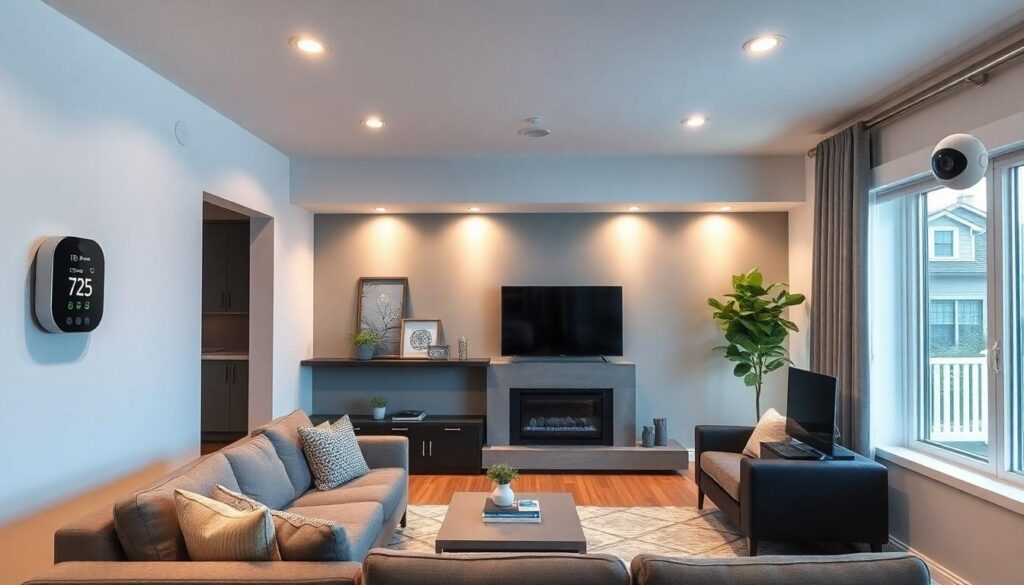
Smart home technology offers numerous advantages for homeowners looking to upgrade their living spaces. Enhanced convenience, security, and energy efficiency stand out among these benefits.
Enhanced Security Features
Smart home systems significantly improve home security. Automated security cameras provide real-time monitoring and alerts, allowing homeowners to keep an eye on their property from anywhere. Smart locks enable keyless entry, enhancing accessibility while restricting unauthorized access. Integration with alarm systems ensures immediate notifications during potential security breaches. These advanced features foster peace of mind, knowing that homes are better protected against threats.
Energy Efficiency Improvements
Energy efficiency sees substantial gains with smart home technology. Smart thermostats automatically adjust heating and cooling based on residents’ behavior, optimizing energy use. Home automation systems manage lighting, reducing energy consumption by turning off lights in unoccupied rooms. Smart appliances often feature energy-saving settings that minimize electricity use without sacrificing performance. These innovations can lead to significant cost savings on utility bills while contributing to environmental sustainability.
Key Components of Smart Home Systems
Smart home systems consist of several integral components that enhance convenience and efficiency. Understanding these elements is crucial for both installation professionals and homeowners.
Central Hubs and Controllers
Central hubs serve as the brain of smart home systems. These devices connect numerous smart devices, allowing seamless communication and control. Smart home controllers enable users to manage systems via smartphones or voice commands. When integrated effectively, central hubs can streamline functions like lighting, climate, and security. Popular options include smart speakers and dedicated home automation hubs. These hubs facilitate interoperability between different brands and protocols, fostering a unified experience.
Smart Devices and Appliances
Smart devices and appliances create a network of interconnected products that contribute to an intelligent home. Smart thermostats regulate temperature based on user preferences, leading to energy savings. Security cameras provide real-time monitoring and alerts, enhancing home security. Smart locks offer keyless entry and remote control, ensuring convenience and peace of mind. Additional appliances like smart refrigerators and washers offer advanced features, aiding in daily tasks. Each device works cohesively within the system, promoting an integrated smart home experience.
Starting a Smart Home Installation Business
The smart home installation industry is thriving. Entrepreneurs can capitalize on this growing market by understanding key factors for success.
Market Research and Analysis
Conducting thorough market research is crucial for identifying opportunities in the smart home sector. Analyzing consumer preferences and behaviors helps pinpoint high-demand products, such as smart thermostats and home security systems. Study competitors to gain insights into service offerings and pricing strategies. Regional demand also varies, with higher adoption rates found in areas of greater disposable income. Statistics suggest that the global smart home market could exceed $174 billion by 2025, demonstrating the potential for growth and profit. Evaluating these trends empowers business owners to align their services with market expectations effectively.
Required Skills and Certifications
Technicians require a specific set of skills for smart home installations. Proficiency in networking, software integration, and familiarity with diverse brands enhances service quality. Understanding systems integration ensures seamless connectivity among devices, which is vital for user satisfaction. Certifications from recognized organizations validate expertise and boost credibility. Courses in home automation, cybersecurity, and energy management prepare technicians for industry demands. Staying updated on technological advancements and trends fosters continuous improvement in service delivery. As a result, skilled professionals attract more customers and contribute to overall business growth.
Challenges in the Smart Home Installation Industry
The smart home installation industry faces several challenges that can impact business growth and customer satisfaction.
Keeping Up with Technology
Technological advancements occur rapidly in the smart home sector. New devices, software updates, and integrations emerge frequently, making it essential for technicians to stay current. Complicated ecosystems require professionals to continuously update their knowledge and skills. Ten percent of installers express concerns about adapting to new innovations. Competition within the market pushes businesses to adopt the latest technologies to meet customer expectations.
Customer Education and Support
Educating customers about smart home systems presents another challenge. Customers often struggle to understand complex installations and functionalities. Providing comprehensive support can enhance user experiences. One-third of homeowners report dissatisfaction due to a lack of guidance during setup. Effective communication and readily available resources improve customer comfort and confidence in using smart technologies. Proper training for technicians ensures they can assist clients effectively, increasing customer loyalty and satisfaction.
The smart home installation business stands at the forefront of technological innovation and consumer demand. As homes evolve into interconnected environments, the potential for growth in this sector is immense. Entrepreneurs and technicians who embrace continuous learning and adapt to emerging trends will find ample opportunities for success.
Focusing on customer education and support can significantly enhance user experiences, fostering loyalty in a competitive market. With advancements in AI and machine learning on the horizon, the future looks bright for those involved in smart home installations. This industry not only promises profitability but also contributes to a more efficient and secure living environment for homeowners.