

Imagine waking up in the morning to the gentle glow of smart lights that slowly brighten, mimicking a sunrise. Or picture this: your coffee maker starts brewing as soon as your alarm goes off, ensuring you’re never more than a few steps away from that much-needed caffeine fix. Smart home upgrades aren’t just the latest trend; they’re the key to transforming a mundane living space into a futuristic haven.
With technology evolving faster than a cat video goes viral, now’s the perfect time to embrace the world of smart devices. From voice-activated assistants that can tell you the weather to security systems that keep your home safe while you binge-watch your favorite shows, the possibilities are endless. Dive into the world of smart home upgrades and discover how they can add convenience, security, and a touch of humor to everyday life.
Overview of Smart Home Upgrades
Smart home upgrades refer to the integration of technology into residential settings, enhancing functionality through automation and connectivity. These upgrades range from basic devices to comprehensive systems that optimize various aspects of daily living.
What Are Smart Home Upgrades?
Smart home upgrades encompass devices and systems designed to improve convenience and efficiency. Examples include smart thermostats that adjust temperatures based on user habits, smart locks that provide keyless entry, and smart lighting systems that can be controlled remotely. These upgrades mimic regular functions but with the added benefit of wireless connectivity. Homeowners often integrate these technologies for better control and communication between devices.
Benefits of Smart Home Upgrades
Benefits of smart home upgrades include enhanced security, energy savings, and increased comfort. Security systems can provide real-time alerts, offering peace of mind. Energy-efficient devices, like smart thermostats, can help reduce utility bills by optimizing heating and cooling. Increased comfort results from personalized settings, such as automated lighting that adapts to various activities. Smart home upgrades foster a seamless lifestyle, making everyday tasks easier and more efficient.
Popular Smart Home Devices
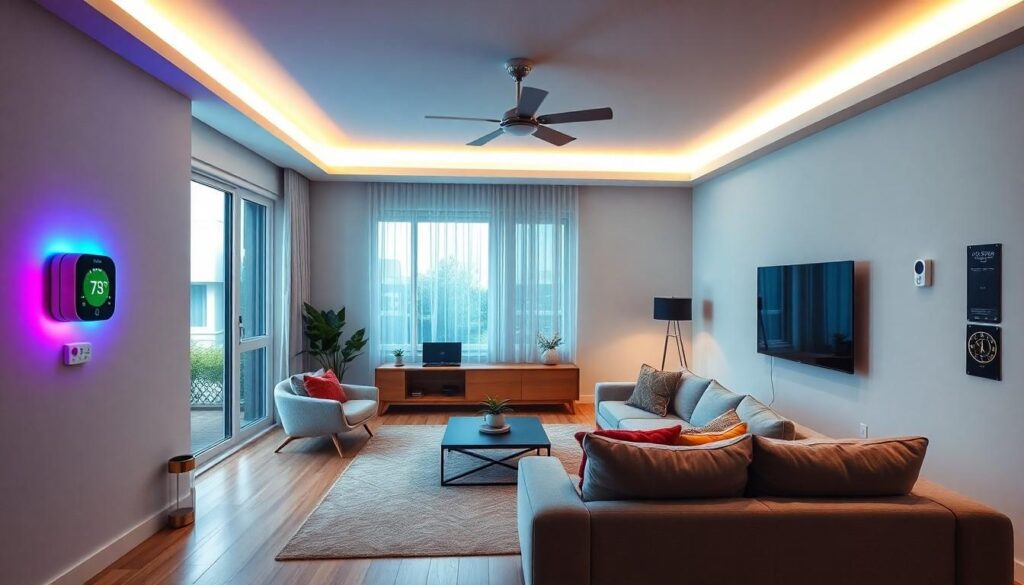
Smart home devices enhance daily living by offering convenience and security through automation and connectivity. Below are popular categories featuring essential devices.
Smart Lighting Solutions
Smart lighting solutions provide options for automated control of home illumination. Users can schedule lights to turn on or off at specific times, enhancing security. Customizable settings allow for different brightness levels and colors to set mood and ambiance. Devices like Philips Hue bulbs or LIFX lights integrate easily with voice-activated assistants. These solutions not only optimize energy use but also create a welcoming atmosphere tailored to personal preferences.
Smart Thermostats
Smart thermostats improve energy efficiency while maximizing comfort. Devices like Nest or Ecobee adapt to user habits, adjusting heating and cooling settings automatically. Users can control temperature remotely via smartphone apps, ensuring optimal conditions upon returning home. Data analytics features allow users to track energy consumption patterns, leading to informed decisions on usage. Such enhancements contribute to lower energy bills and a more sustainable household.
Smart Security Systems
Smart security systems offer advanced protection for homes. Cameras like Ring or Arlo provide real-time monitoring and alerts directly to users’ smartphones. Motion detectors and smart locks enhance home safety by notifying users of unusual activity. Many systems allow remote access, enabling homeowners to monitor and manage security from anywhere. Such comprehensive solutions foster peace of mind, ensuring homes remain secure while owners are away.
How to Choose the Right Smart Home Upgrades
Choosing smart home upgrades involves evaluating specific needs and preferences. Assess functionalities that enhance daily living, such as convenience, security, or energy savings. Prioritize which devices will provide the most benefit, be it smart thermostats for efficiency or security cameras for peace of mind.
Assessing Your Needs
Identifying key areas for improvement lays the groundwork for effective upgrades. Focus on the aspects of home life that require automation or monitoring. For example, a household with children may benefit from smart door locks and cameras, while a tech-savvy individual might consider smart lighting and thermostats. Determine how each device aligns with lifestyle preferences to maximize satisfaction.
Budget Considerations
Establish a budget before delving into potential upgrades. Evaluate costs associated with both devices and installation, as many systems require professional setups. Allocate funds sensibly, considering long-term savings on energy bills and security. Look for deals or bundled packages to stretch the budget further while still achieving desired upgrades.
Compatibility with Existing Systems
Ensuring compatibility with existing systems remains crucial for a seamless integration. Research whether new devices fit well with current setups, like smart hubs or networks. Numerous devices rely on standard protocols such as Zigbee or Z-Wave, so checking compatibility simplifies the selection process. Prioritizing systems that integrate smoothly prevents future frustrations with technology.
Installation and Setup
Installing smart home upgrades can feel exciting yet daunting. Understanding the methods and potential challenges helps streamline the process.
DIY vs. Professional Installation
Choosing between DIY and professional installation varies based on the complexity of the upgrades. DIY installations offer cost savings and empowerment, appealing to those comfortable with technology. She can find user-friendly devices with clear instructions available online. Professional installation provides expertise and ensures proper setup, reducing the risk of future issues. Homeowners may prefer hiring experts for complex systems like security cameras or integrated smart home hubs. Evaluating personal skill levels and available time determines the best approach for each individual.
Common Installation Challenges
Smart home upgrades often present unique installation challenges. Network connectivity issues arise with devices relying on strong Wi-Fi signals. Homeowners frequently encounter compatibility problems among various devices, complicating integration efforts. Many also face difficulties in navigating installation software, which can slow down the process. In multi-story homes, ensuring optimal location for hubs and sensors can become a task. Understanding these common obstacles allows for better preparation and smoother installations, enhancing the overall smart home experience.
Embracing smart home upgrades can significantly elevate everyday living. By integrating innovative technology into their homes, homeowners can enjoy increased convenience, enhanced security, and improved energy efficiency. The range of available devices ensures there’s something for everyone, whether it’s smart lighting or advanced security systems.
As technology continues to evolve, the potential for creating a truly connected home expands. Homeowners should take the time to assess their needs and preferences, making informed choices that align with their lifestyle. With careful planning and consideration, smart home upgrades can transform mundane routines into seamless, enjoyable experiences.